


What Technologies Are Closest to Achieving Age Reversal?
Seven approaches target the biology of aging, from cellular reprogramming to inflammation control, but early findings have yet to establish whole-body rejuvenation in humans.
Highlights
- Several approaches aim to counter aging through cellular reprogramming, enhanced cellular recycling, senescent-cell targeting, and reduced inflammation.
- Among the approaches we cover, Seragon’s Restorin is the only one commercially available for regular use.
- Several of the covered experimental treatments have reached human trials, with early signals of benefit, but none has demonstrated whole-body age reversal in people.
The race to reverse human aging has begun. Moving from laboratory experiments to human trials, aging research groups have started testing different approaches designed to reset aging cells, clear damaged cellular components, and reduce chronic inflammation, among other strategies. Comparing different technologies that are under investigation can give a broad perspective on progress being made to slow or reverse human aging. The following presents seven different approaches aiming to reverse human aging for comparison.
RNA-Based Epigenetic Reprogramming
RNA-based epigenetic reprogramming is a way to make older cells function more like younger cells without changing their underlying DNA sequence. The approach delivers short-lived RNA instructions that tell cells to produce factors intended to reset aspects of gene regulation—the molecular controls that determine which genes are switched on or off. The goal is to restore youthful function while preserving the cell’s identity, so a liver cell, for example, remains a liver cell rather than reverting to a stem-cell-like state. Because RNA breaks down, the instructions are temporary rather than a permanent genetic alteration.
An aging research group using this technique reported restoring several youthful functions in older human liver cells in a laboratory dish—not in patients. Challenges associated with the technique include the delivery of the RNA to enough of the right cells and avoiding abnormal growths related to the loss of cellular identity.
RTR242
RTR242 is an experimental drug designed to enhance autophagy—the cell’s waste-removal and recycling system. The autophagy process breaks down damaged proteins and worn-out cell components, allowing useful materials to be reused. The aim is to counter an age-related decline in cellular cleanup that may impair cell function, particularly in nerve cells.
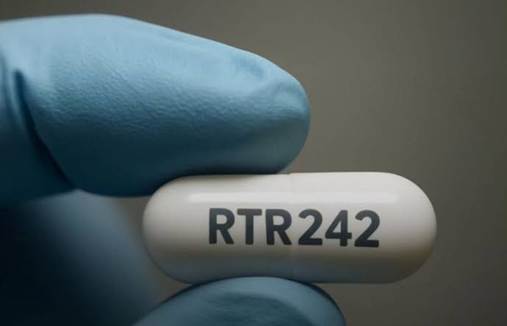
RTR242 has entered a Phase 1 clinical trial and is not yet recruiting participants. This stage primarily assesses safety, how the body handles the drug, and suitable doses for further testing. All the same, there is not yet public human evidence showing that RTR242 does things to counter aging, like improving memory, preventing dementia, or reversing other aspects of aging.
Seragon’s Restorin
Seragon’s Restorin is a commercially available nutraceutical marketed to support healthy aging and longevity. It includes a proprietary combination of components designed to promote the activation of autophagy (cells’ recycling and waste removal mechanism) and mitophagy (the autophagy of dysfunctional cell powerhouses [mitochondria]), as well as the elimination of dysfunctional cells that accumulate with age (senescent cells). Moreover, Restorin contains an NAD+ precursor to promote cell energy generation.
Restorin also has a component that inhibits the mTOR protein complex, which helps cells sense available nutrients and adjust growth accordingly. Another mTOR inhibitor, rapamycin, extends mouse and non-human primate lifespan, which has led some researchers to propose mTOR inhibition as a way to promote longevity.

Interestingly, in preclinical research, Seragon’s drug SRN-901, which Restorin is roughly based on, extended the remaining lifespan of aged mice by a record-breaking 33%. While this noteworthy finding provides some promise that Restorin may work against aspects of aging, future human trials will be necessary to confirm its efficacy.
Klotho and Follistatin Gene Therapies
Klotho and klotho–follistatin treatments are experimental gene therapies that deliver instructions for cells to produce proteins associated with improved physiological function. Unlike cellular reprogramming, they aim to increase particular proteins rather than reset a cell’s aging-related gene regulation.
What Each Therapy Aims to Do
- Klotho gene therapy: Supplies genetic instructions to increase production of klotho, a protein linked to brain function, kidney function, and cellular stress responses. Klotho levels reportedly tend to decline with age; the rationale is that raising them might help preserve brain function, kidney function, and cellular stress responses.
- Klotho–follistatin gene therapy: Combines klotho with instructions for producing follistatin, a protein that blocks some signals that restrain muscle growth. The intended benefit is to support muscle mass and potentially physical function alongside the proposed effects of klotho.
How the Gene Therapies Are Delivered
A group using these therapies uses plasmids, small rings of DNA carrying the protein-making instructions, injected into fatty tissue beneath the skin of the abdomen. Some cells are intended to take up these instructions and produce the selected proteins. The plasmids are designed to remain separate from a person’s chromosomes rather than permanently edit their DNA.
What Has Been Demonstrated
According to a report, the group using these gene therapies registered small, early human studies of klotho alone and klotho combined with follistatin in healthy adults. It emphasizes that these pilot studies lack placebo groups and that treatment takes place outside the United States and outside FDA oversight.
The group said its klotho proof-of-concept study finished in spring 2026, but as of now, full results have not been posted to the trial registry or published in a peer-reviewed journal. These treatments therefore represent human experimentation, not established evidence of targeted improvements in memory, extended lifespan, or reversed human aging.
BGE-102
BGE-102 is an experimental anti-inflammatory drug. It inhibits the NLRP3 pathway, part of the body’s inflammation-control system. NLRP3 can be compared to a smoke alarm: it helps trigger inflammation in response to infection or damage, but persistent activation may contribute to the chronic, low-grade inflammation associated with aging, often called “inflammaging.”
Two clinical developments on BGE-102 have been reported:
- Early human results: Two doses of BGE-102 reduced high-sensitivity C-reactive protein (hs-CRP), a blood marker of inflammation, by about 86% in people with obesity and elevated inflammation.
- Phase 2 testing: A larger, placebo-controlled study (a gold standard study for showing some degree of causation) involving approximately 160 adults began in June 2026. Comparing the drug with a placebo pill provides a stronger test than an uncontrolled study.
Lowering an inflammatory blood marker does not establish that a treatment prevents heart attacks, improves physical function, or makes people biologically younger. BGE-102 represents progress in testing an aging-related therapeutic target, not proof that human aging has been reversed.
RLS-1496
RLS-1496 is an experimental topical cream designed to target selected senescent cells and other severely stressed cells. Senescent cells have stopped dividing but remain in tissues, where some release inflammatory chemicals that disrupt neighboring healthy cells. RLS-1496 aims to selectively target these problematic cells rather than eliminate every cell showing signs of aging.
What Is Reported on RLS-1496
An early human study involved actinic keratoses, a condition characterized by rough, sun-damaged skin lesions that can sometimes develop into skin cancer. Participants applied RLS-1496 to lesions on one forearm, leaving the other forearm untreated for comparison.

According to preliminary results:
- Among the first 18 participants in a planned 24-person study, lesion counts fell by 46% on treated arms versus 11% on untreated arms after four weeks.
- No serious side effects or withdrawals were reported during that short observation period.
What Those Findings Mean
The results suggest a possible benefit for sun-damaged skin, but the study was small and unblinded (participants and investigators knew which arm received treatment), and the findings were preliminary company reports rather than final, independently reviewed results. A reduction in skin lesions also does not, by itself, establish that senescent cells were cleared throughout the body or that human aging was reversed.
ER-100
ER-100 is an experimental gene therapy designed to restore more youthful function to cells in the eye through partial epigenetic reprogramming. Rather than changing the underlying DNA sequence, it aims to reset aspects of gene regulation associated with aging while preserving the cells’ identity and function.
How It Works
- Delivery: A modified virus carries genetic instructions into retinal cells through an injection into one eye.
- Reprogramming factors: Those instructions enable cells to produce OCT4, SOX2, and KLF4—collectively called OSK—proteins that regulate gene activity.
- Controlled activation: Participants take the antibiotic doxycycline for eight weeks to switch on OSK production. The goal is a limited period of reprogramming, not a complete reset into a stem-cell-like state.
Human Testing
A Phase 1 trial enrolled 18 people with glaucoma (an eye disease that causes damage to the bundle of nerve fibers carrying visual information from the eye to the brain) or non-arteritic anterior ischemic optic neuropathy (NAION), a condition involving impaired blood supply to the nerve fibers. Its primary purpose is to assess safety and tolerability, with additional assessments of vision and follow-up potentially lasting five years.
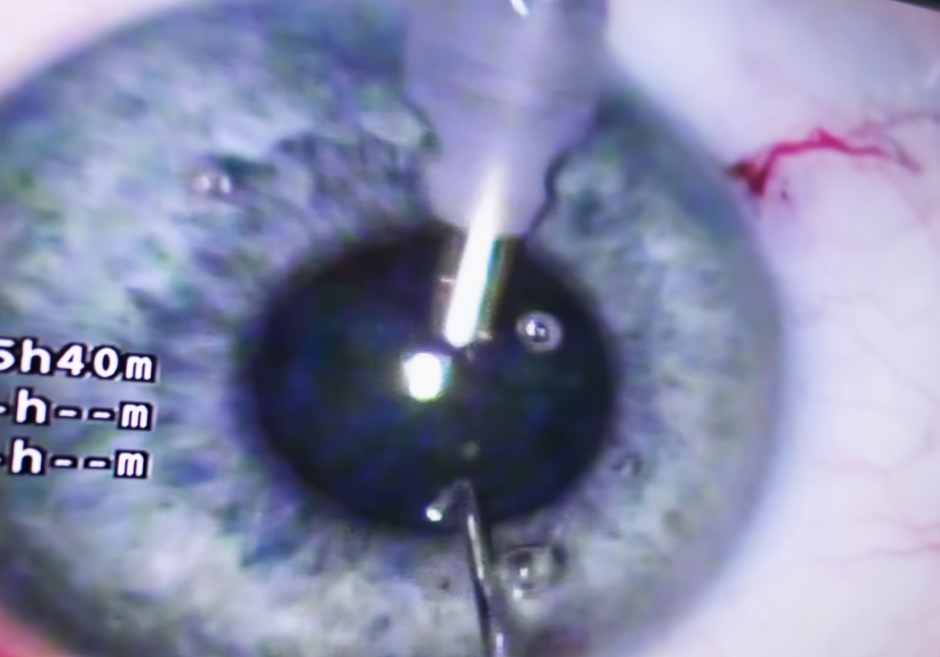
ER-100 has brought cellular reprogramming into human testing with potential to reverse aspects of aging in the eye, which could pave the way for related technologies to reverse aging in other organs beyond the eye. Nonetheless, it has not yet been demonstrated to effectively reverse aging in humans. All the same, preliminary results from the Phase I trial of ER-100 showed improvements on visual field testing—measuring how well one can see at different locations while looking straight ahead. This finding gives some promise that ER-100 and related technologies could one day serve to meaningfully rejuvenate the aging human body.
| Technology or approach | Named treatment |
| RNA-based epigenetic reprogramming—using temporary RNA instructions to reset aspects of an older cell’s gene activity | No specific treatment named |
| Autophagy enhancement—stimulating the cell’s waste-removal and recycling machinery | RTR242 |
| Multi-target nutraceutical approach—marketed to boost NAD+, support cellular and mitochondrial recycling (autophagy and mitophagy), and target senescent cells | RESTORIN (Seragon) |
| Plasmid-based gene therapy—using small rings of DNA to instruct cells to produce particular proteins | Klotho gene therapy and klotho–follistatin gene therapy |
| NLRP3 inhibition—blocking an inflammatory pathway discussed in connection with “inflammaging” | BGE-102 |
| Senolytic / senescence-targeting therapy—targeting selected senescent and highly stressed cells with a topical treatment | RLS-1496 |
| OSK-based partial epigenetic reprogramming—delivering genetic instructions into eye cells with a modified virus, with doxycycline used to control their activation | ER-100 |
With Human Trials in Early Phases, Testing Age Reversal Technologies Is Only Beginning
Human testing of age-reversal technologies is only beginning. Early trials are starting to reveal whether these approaches are safe and can improve specific aspects of age-related dysfunction, but promising changes in biomarkers or individual tissues are not proof of whole-body rejuvenation. Larger, controlled studies with longer follow-up will be needed to determine whether these treatments deliver lasting improvements in health and whether any can meaningfully reverse aspects of human aging.
 Comments