


Popular Antioxidant Supplement May Worsen Muscle Wasting in Aging, New Study Suggests
Millions take antioxidants for longevity, but Danish scientists have found that blocking oxidants with N-acetylcysteine (NAC) may actually accelerate muscle wasting in mice.
Highlights
- A mitochondrial molecule known as cardiolipin declines with age in human and mouse muscle.
- NAC disrupts protective adaptations in the muscle of cardiolipin-deficient mice, which exhibit features of muscle aging.
- Supplementation with NAC exacerbates muscle loss in cardiolipin-deficient mice.
Antioxidants are often associated with protecting cells. However, a new study suggests that suppressing certain stress signals can interfere with key protective processes. Namely, in mice with impaired mitochondrial membranes, treatment with the antioxidant N-acetylcysteine (NAC) worsened muscle wasting rather than relieving it.
Published in Nature Aging, the findings help explain why aging muscles change their composition even as their energy-producing machinery deteriorates. It also reveals a potential trade-off between muscle loss and survival. Blocking the signals behind muscle adaptations—reactive oxygen species (ROS)—could make matters worse.
A Mitochondrial Lipid Declines with Age in Humans
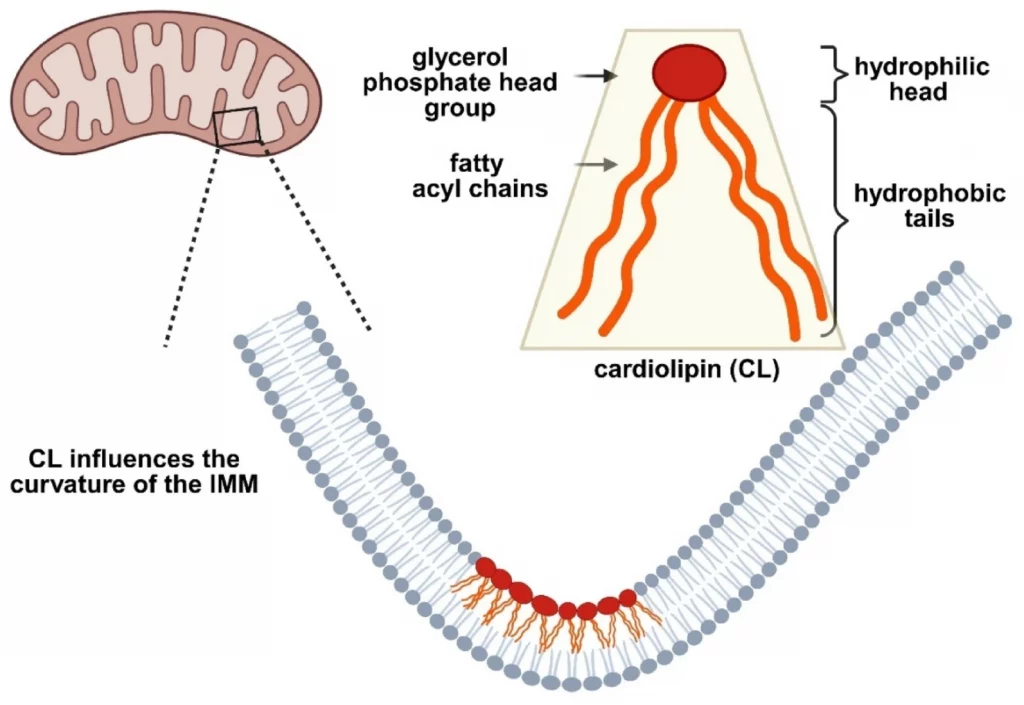
Lipids are a diverse group of molecules that include triglycerides (e.g., fats and oils), waxes, and steroids (e.g., cholesterol, testosterone, and estrogen). The study, conducted at the University of Copenhagen, focused on cardiolipin, a lipid concentrated in the inner membrane of mitochondria. The inner mitochondrial membrane houses much of the machinery that supports cellular energy production, and cardiolipin helps maintain its distinctive folded structure.
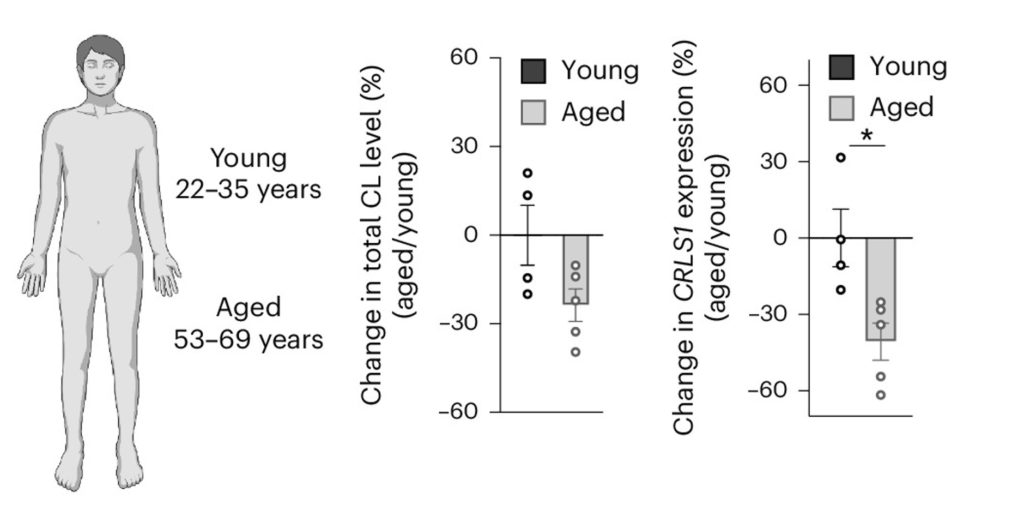
The Danish researchers found that cardiolipin declined with age in mouse muscle. They also observed lower levels in muscle samples from five older adults, aged 53–69, compared with four younger adults. Moreover, the main gene involved in synthesizing cardiolipin (Crls1 in mice/CRLS1 in humans) was less active in both older adults and older mice.
Genetically Reducing Cardiolipin in Mice Promotes Muscle Wasting
To investigate whether cardiolipin decline actively drives muscle deterioration, the team deleted Crls1, the gene encoding the primary cardiolipin-synthesizing enzyme. The Crls1 gene was specifically removed from mouse skeletal muscle, and not heart muscle or other tissues. The resulting deficiency disrupted mitochondrial membrane folds and reduced the capacity of mitochondria to produce cellular energy.
The muscles also changed character. Fibers normally geared toward rapid, powerful movements, such as lifting heavy objects (fast-twitch fibers), shifted toward fibers more suited for sustained activity, such as walking and maintaining posture (slow-twitch fibers). Individual fibers also became smaller, contributing to muscle size and strength loss. Notably, partial recovery of Crls1 and cardiolipin allowed the mice to live longer, likely due to improving diaphragm muscle health and delaying respiratory failure.
NAC Disrupts Adaptations in Glucose Utilization
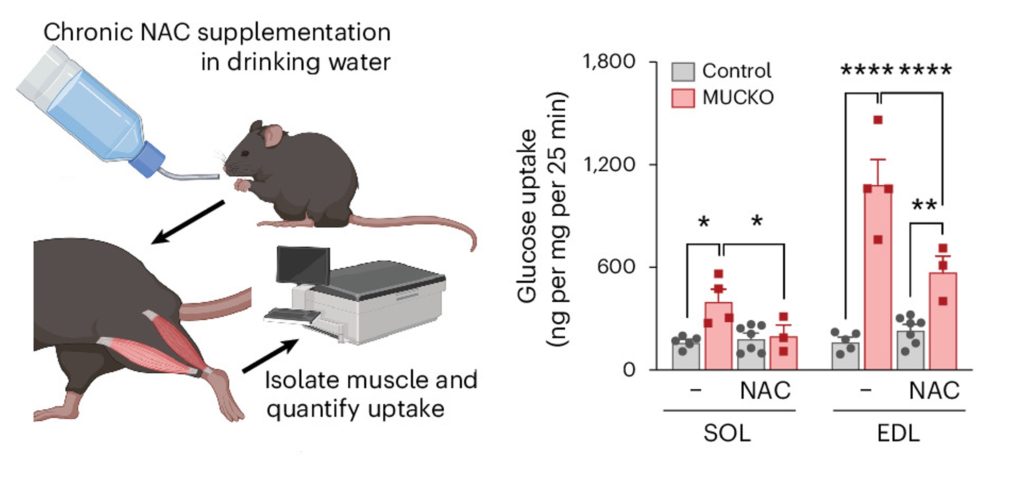
The researchers found, in mice lacking Crls1, that affected muscles drew more glucose from the bloodstream. But rather than simply converting this sugar into energy, the fibers redirected it to support antioxidant defenses. The muscles also increased their capacity to utilize fat for energy. These findings suggest that the fibers were adapting to mitochondrial stress by reorganizing fuel utilization to protect against cell death.
Excessive levels of ROS that overpower antioxidant defenses can damage cellular components (oxidative stress). Nevertheless, at lower levels, ROS act as essential signaling molecules. To test the role of increasing antioxidant defenses, the researchers gave Crls1-deficient mice NAC in their drinking water. Unexpectedly, NAC blunted the increase in glucose uptake, disrupting the muscle fibers’ adaptation to cardiolipin loss.
NAC Exacerbates Muscle Loss
With age, often beginning during the fourth decade of life, people gradually lose muscle mass, strength, and function. Sarcopenia, an age-related disease characterized by severe muscle mass, strength, and function loss, contributes to a higher likelihood of disability, disease, and death. This muscle aging involves fiber-type switching (fast-twitch to slow-twitch) much like that observed in the Crls1-deficient mice. Thus, cardiolipin decline appears to be involved in muscle aging.
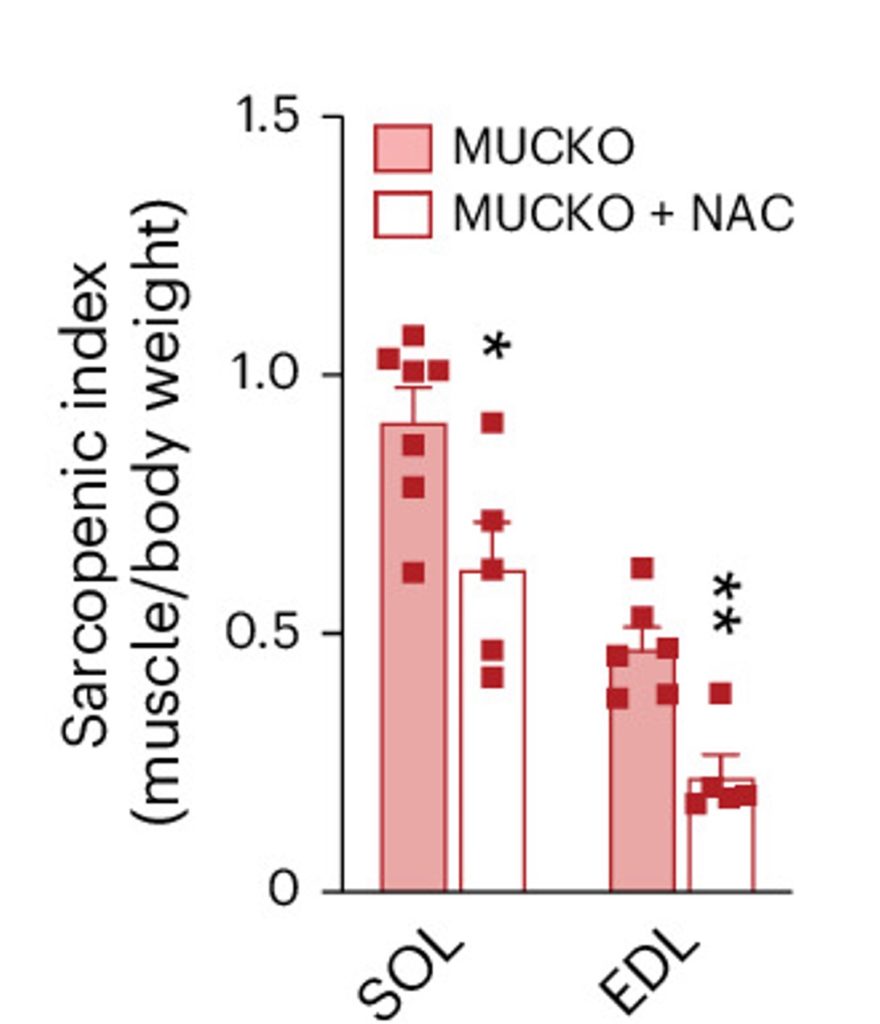
To assess sarcopenia, scientists use biomarkers to establish a sarcopenia index (SI). A lower SI value indicates lower muscle mass. NAC was shown to lower the SI index in Crls1-deficient mice, suggesting that this antioxidant exacerbates muscle loss. While the effect of NAC was not tested on naturally aged mice, these findings suggest that NAC may worsen muscle wasting (muscle mass, strength, and function loss).
“The fiber switch is not the muscle failing, but the muscle trading power for protection. That’s also why interfering with it can backfire: When we gave the mice antioxidants to mop up the
Does NAC Hinder Muscle Health in Humans?
For people taking antioxidants, the study’s implications remain uncertain. The human samples established an age-associated decline in cardiolipin, not a harmful effect of NAC. No older adults received NAC as part of this research.
Human research also offers a counterpoint. In a small randomized trial, 16 weeks of supplementation with glycine and NAC (designed to increase antioxidant defenses) improved muscle strength and physical function in older adults compared with placebo. Moreover, an earlier pilot study reported similar benefits. However, both studies were done by the same lab, limiting independent replication, and since NAC was combined with glycine, NAC’s individual contributions are unclear.
In a study testing only NAC, the intravenous (IV) injection of NAC reduced certain forms of muscle fatigue in healthy volunteers. These findings suggest that NAC’s effects depend on the biological context and do not establish whether NAC alone protects—or harms—muscle during normal human aging.
Still, the Danish study challenges the assumption that oxidants, like ROS, are exclusively harmful. In compromised muscle, some oxidative signals help mobilize protective responses. Understanding when to preserve those signals—and when to limit their damage—may prove more useful than trying to eliminate them indiscriminately.
 Comments